A Practice of Raisner Roupinian LLP
Generic selectors
Exact matches only
Search in title
Search in content
Post Type Selectors
post
page

Your Rights

Federal WARN Act

The Worker Adjustment and Retraining Notification Act (WARN Act) The federal law, called the WARN Act, requires an employer to notify its employees in writing at least 60 days before a plant closing or mass layoff takes effect. If the employer fails to provide the required notice, it is legally required to pay the laid […]

Federal WARN Act Read More »

The New Jersey WARN Act. View of street sign reading NEW JERSEY at the top with a silhouette of the map of the state below.

New Jersey WARN Act

Terminated employees of New Jersey companies with 50 or more employees may be entitled to one week of severance for each year of service, plus four additional weeks of pay if they did not receive 90 days’ written notice of termination. This is thanks to the New Jersey WARN Act (Worker Adjustment and Retraining Notification

New Jersey WARN Act Read More »

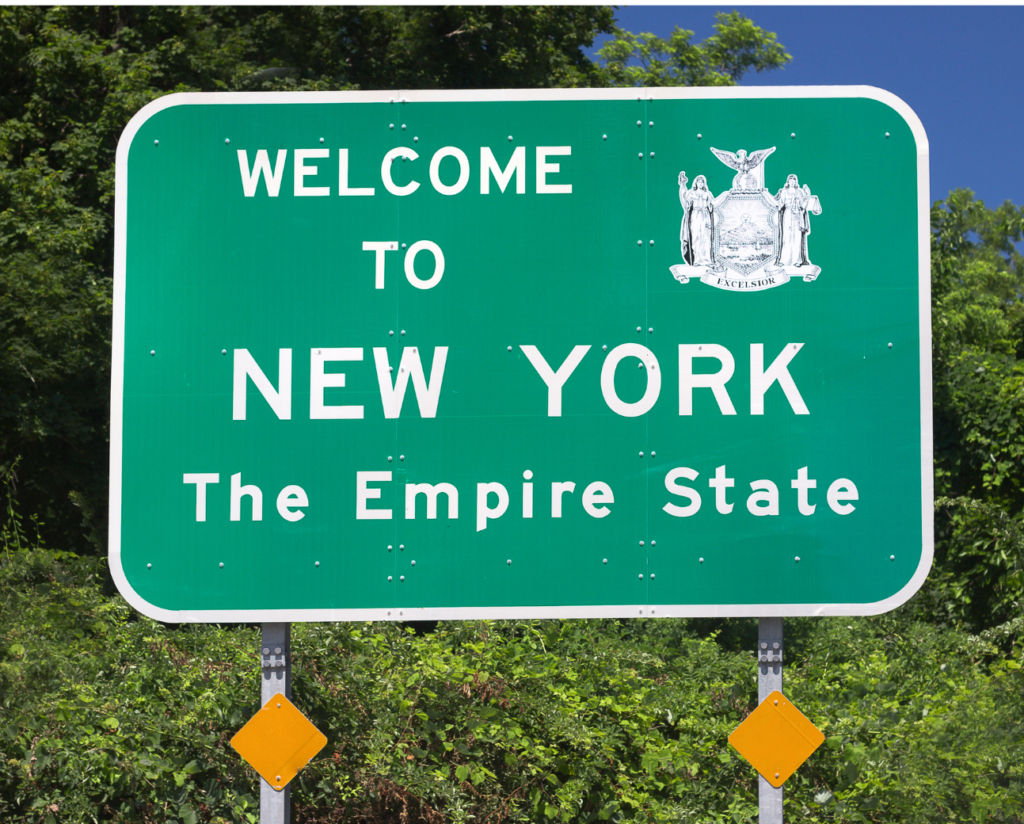
New York WARN Act, view of street sign, the sign reads: Welcome to New York, The Empire State, and shows the state crest which includes the word Excelsior at the bottom.

New York WARN Act

Your Rights under the New York WARN Act Beyond the protection provided by the federal Worker Adjustment and Retaining Notification (New York WARN) Act, the New York WARN Act goes a bit further in ensuring compensation and benefits for hard-working residents. Few attorneys have the knowledge of our WARN Act lawyers, Jack A. Raisner and

New York WARN Act Read More »

Maryland WARN Act

In addition to the protection provided by the federal Worker Adjustment and Retraining Notification (WARN) Act, the Maryland Economic Stabilization Act is a voluntary law that applies to industrial, commercial, and business industries in the state.  Few attorneys have as much experience and expertise as does Raisner Roupinian LLP WARN practice, which has represented thousands of employees

Maryland WARN Act Read More »

Massachusetts WARN Act

Under Massachusetts state law, employers with 50 or more employees at a facility who plan to relocate at least 12 employees must provide advance notice to the employees before relocating. The Federal WARN Act also protects your rights. Under the WARN Act, companies that carry out mass layoffs or plant closings without providing proper notice

Massachusetts WARN Act Read More »

New Hampshire WARN Act

Your Rights under the New Hampshire WARN Act With a nationwide practice of WARN Act litigation, we naturally represent clients in New Hampshire.Contact Us at 1-866-544-9945. Beyond the protection provided by the federal Worker Adjustment and Retraining Notification, the New Hampshire WARN Act goes a bit further in ensuring compensation and benefits for hard-working residents. Few

New Hampshire WARN Act Read More »

Oregon WARN Act

Workers in Oregon are protected by the Federal WARN Act, which requires certain employers to give 60 days’ notice before a mass layoff or plant closing. Additionally, Oregon state law requires employers to provide notice to the Department of Community Colleges and Workforce Development when carrying out a mass layoff. Companies that violate the law

Oregon WARN Act Read More »

U.S. Virgin Islands WARN Act

Workers in the U.S. Virgin Islands are protected by the Federal WARN Act, which requires certain employers to give 60 days’ notice before a mass layoff or plant closing. Additionally, local law imposes certain requirements on employers that differ slightly from the federal law. Layoffs and Plant Closings Hurt Workers. Mass layoffs and plant closings

U.S. Virgin Islands WARN Act Read More »

Tennessee WARN Act

Workers in Tennessee are protected by the Federal WARN Act, which requires certain employers to give 60 days’ notice before a mass layoff or plant closing. Additionally, Tennessee state law imposes certain requirements on employers operating inside the state that differ slightly from the federal law. Layoffs and Plant Closings Hurt Tennessee Workers.Mass layoffs and

Tennessee WARN Act Read More »

Scroll to Top